
Prohealth Resources
BeautyLine4U
“The Characteristics Of Stem Cells”
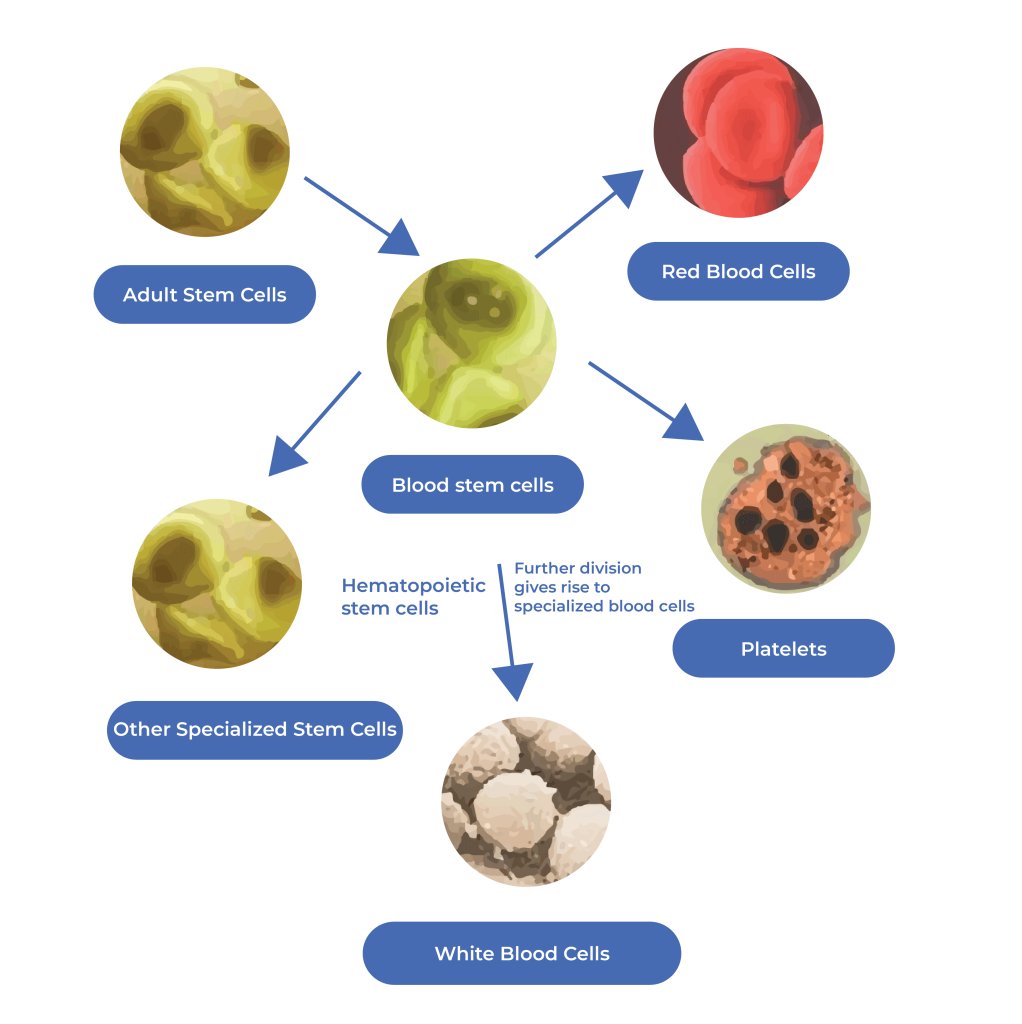
Our body is composed of over 210 different types of cells such as nerve cells, skin cells and blood cells. Each type of cell has a different lifespan and when their lifespan ends, they die, necessitating the generation of new cells. Stem cells are specialized cells responsible for generating new cells. Stem cells have the ability to self-replicate and can differentiate into at least 2 or more cell types, which is why they are called pluripotent cells. Adult stem cells (tissue-specific stem cells) exist in various parts of the body, comprising over 60 different types of cells such as in adipose tissue, bone marrow and the placenta. Scientists have discovered adult stem cells in these locations and have demonstrated their mysterious properties through research and experimentation.
The Functions Of Stem Cells

The ability to heal injured areas
Hemopoietic function

Immune regulatory function

The Principles Of Stem Cell Therapy
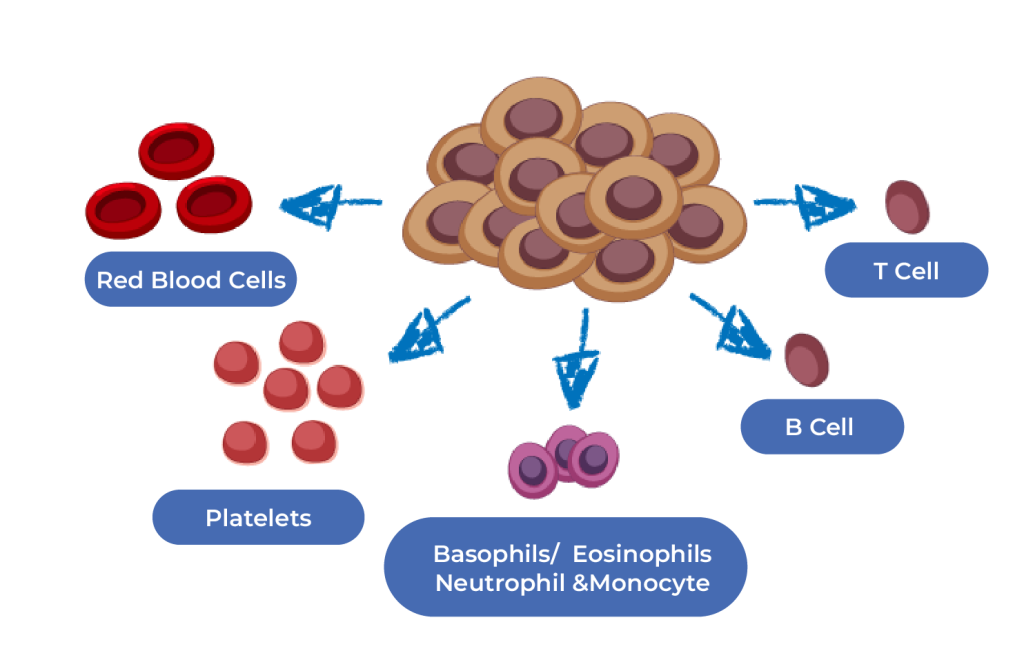
In the body, existing stem cells play a crucial role when disease strikes, undergoing a transformative journey through multiple stages of cell divisions—starting from primitive cells (1-2-3-4-8-16 stages). This process gradually leads to the differentiation into specific cell types, culminating in the regeneration of damaged cells and ultimately serving the purpose of treating the disease. However, the quantity of stem cells within various organs is insufficient to meet the demanding therapeutic needs, especially as aging and tissue damage progressively diminish the cells' differentiation ability.
In response to this challenge, the introduction of stem cells from external sources becomes a valuable strategy. Exogenous stem cells possess the ability to mobilize toward damaged cells, differentiating into the necessary cell types and catalyzing the restoration of normal bodily functions for the purpose of healing. The infusion of exogenous stem cells effectively supplements the insufficient cellular reservoir within the body, facilitating increased cell quantities for treatment and fostering tissue repair & regeneration. This intricate process underscores the enigmatic nature of the human body.